Table of Contents
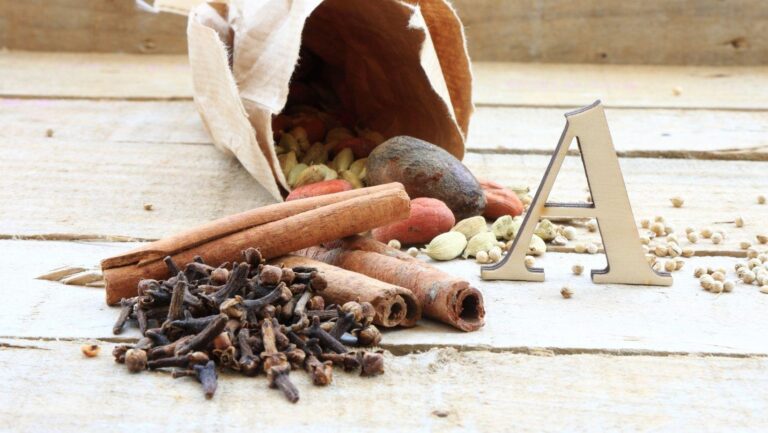
ToggleWhen September hits, most home cooks reach for the same five spices: cinnamon, nutmeg, allspice, clove, and cardamom. But here’s the culinary secret nobody talks about: those spices aren’t just dessert players. In fact, understanding how warm spices work in savory applications opens up an entirely different toolkit for fall cooking. Cardamom brings floral complexity to braised root vegetables. Cinnamon layers into meat rubs with unexpected sophistication. Clove doesn’t have to taste like holiday sweetness; it’s a depth bomb that transforms savory sauces. Most home cooks miss this because they’ve been conditioned to think “fall spice” equals “pie spice.” It doesn’t.
Key Takeaways
- Cardamom, cinnamon, and clove belong in savory fall dishes just as much as sweet ones; the difference is proportion and layering technique.
- These warm spices excel in braised proteins, roasted vegetables, and spiced sauces when paired thoughtfully with umami anchors like soy, Worcestershire, or mushroom powder.
- The trick is using these spices in smaller quantities than dessert recipes demand, and balancing their sweetness against acid and salt to prevent the dish from tasting dessert-like.
- Experimenting with warm spice placement at different cooking stages creates more complex flavor than dumping everything into a single rub.
Why It Matters
Fall cooking shouldn’t be a one-note experience. Home cooks spend money on premium vegetables at the farmers market, source good meat, and then season everything the same way they did in March. That’s where the flavor ceiling hits. The real opportunity is understanding that cardamom, cinnamon, and clove are precision tools, not just nostalgic flavors. When you layer them strategically, they stop tasting like dessert and start tasting like sophistication.
The other reason this matters: fall is when ingredient quality peaks. Root vegetables are at their sweetest and most dense. Game meats hit the market. Mushrooms are abundant. These ingredients actually want warm spice complexity. They’re not fighting it. A roasted carrot with cardamom isn’t trying to be a dessert side; it’s a finished dish that tastes like someone who knows what they’re doing is in the kitchen.
How to Layer Warm Spices in Savory Cooking
The biggest mistake home cooks make is treating warm spices as a single, pre-mixed unit. You dump everything into the rub and call it done. That’s flat cooking. Real flavor depth comes from placing different spices at different stages. Here’s how to think about it:
Start with the rub. This is where you build your foundation. If you’re roasting Brussels sprouts or braising short ribs, your dry rub should include warm spices but in smaller quantities than you’d use for a dessert. A half-teaspoon of cinnamon and a quarter-teaspoon of cardamom in a rub for a pound of protein creates backbone flavor without the sweet overtones. This is where how warm spices work in savory applications becomes a game-changer: understanding the exact proportions that give you complexity instead of dessert flavor.
Layer during cooking. If you’re braising, add a pinch of clove to your braising liquid. If you’re roasting, sprinkle cardamom over vegetables halfway through cooking so it blooms in the heat. This isn’t about heavy-handed seasoning; it’s about building aroma that compounds as the dish develops. The clove in a beef braise shouldn’t announce itself as “clove.” It should feel like depth you can’t quite name.
Finish with acid and salt. This is the secret weapon that keeps everything from tasting like pumpkin pie. A squeeze of lemon or a splash of vinegar against warm spices doesn’t fight them; it clarifies them. Suddenly the cardamom stops feeling sweet and tastes complex. Salt does the same thing. This is why a fall vegetable dish seasoned with warm spices needs proper salt adjustment at the end, not at the beginning.
Building Savory Cardamom, Cinnamon, and Clove Dishes
Roasted Root Vegetables
Start with your base vegetables: carrots, parsnips, beets, whatever you’re working with. Toss them with oil, salt, and pepper. Then, before roasting, dust with a blend that includes cinnamon (light hand), cardamom (generous with this one), and a whisper of clove. Roast at high heat. Halfway through, sprinkle a tiny pinch of cardamom again so it hits hot oil and blooms fresh. Finish with fleur de sel and a squeeze of lemon. The cardamom should taste like a spiced vegetable, not like a dessert component.
Braised Proteins
Braising is where warm spices actually shine in savory cooking. Sear your protein first. Build your braising liquid with stock, tomato paste or soy sauce (crucial for umami anchor), and a cinnamon stick, 3 to 4 cloves, and a crushed cardamom pod. Let it braise low and slow. The warm spices infuse the liquid without dominating. When the protein is tender, pull it out and reduce the braising liquid hard. The spices concentrate and deepen. Taste, adjust with salt and acid, and you have a sauce that tastes like a chef made it.
Spiced Pan Sauces
Here’s a move that surprises people: make a pan sauce after searing meat, and bloom a small pinch of clove and cinnamon in the hot pan before adding your acid and stock. It takes 30 seconds. The warm spices dissolve into the sauce and add what French cooking calls “fond depth.” A simple steak or pork chop gets restaurant complexity without any fuss.
A Real Example: Cardamom-Braised Beef Short Ribs
Season short ribs generously with salt, pepper, one teaspoon of ground cinnamon, a half-teaspoon of ground cardamom, and a quarter-teaspoon of ground clove per two pounds of meat. Sear hard on all sides in a heavy Dutch oven. Pull the meat out.
In the same pot, sauté diced onion, carrot, and celery until soft. Add tomato paste, cook it out for a minute. Deglaze with red wine. Add four cups of beef stock, two tablespoons of soy sauce, one cinnamon stick, four whole cloves, and four cracked cardamom pods. Return the meat to the pot. Cover and braise at 325 degrees for three to four hours until the meat shreds.
When it’s done, remove the whole spices (the cinnamon stick, cloves, and cardamom pods). Reduce the braising liquid by half on the stovetop. Taste. Adjust salt. Add a tablespoon of red wine vinegar. The warm spices have melted into the sauce. The beef is tender. This tastes like someone who understands spice made it. And it happened because you understood layering, not because you used exotic ingredients.
When Warm Spices Tip Into Dessert Territory
There’s a line. Once you cross it, your savory dish tastes like it wants to be sweet. The biggest offenders: too much nutmeg (it reads dessert instantly), too much cinnamon without acid to balance it, and forgetting that sugar content matters. A braised carrot with cream and warming spices is one dish. The same carrot with those spices and no acid balance is a side dish. Know the difference.
Also, freshness matters. Stale spices taste flat and one-dimensional. Fresh spices taste alive and complex. If your cardamom smells like cardamom, not like dust, your odds of building real depth go way up.
Actionable Takeaways
- Choose one savory fall dish this week: roasted vegetables, a braise, or a pan sauce. Add warm spices in two stages instead of one. Notice how the flavor changes.
- Keep your proportions small. Use a quarter to half the quantity of warm spices you’d use in a dessert recipe. Taste and adjust from there.
- Pair every warm spice application with an acid (vinegar, wine, lemon) and proper salt adjustment at the end. This is what prevents dessert flavor creep.
- Invest in fresh spices if you haven’t recently. Buy whole spices when you can; grind them yourself. The difference in flavor depth is immediate and worth it.
- Experiment with spice placement. Try a pinch in the rub, a pinch mid-cook, and see which layers create the most complexity in your final dish.
Conclusion
Fall doesn’t have to taste the same every year. Cardamom, cinnamon, and clove are available year-round, but they hit differently when paired with September’s vegetables and the comfort foods that feel right as the season changes. The magic isn’t in discovering some secret ingredient; it’s in understanding that the spices you already know can work in a completely different way once you shift your perspective. Start with vegetables or a braise. Layer intentionally. Finish with acid and salt. Notice what happens. That’s where the real cooking begins.
FAQ
Can I use ground spices instead of whole spices in a braise?
Yes, but whole spices are better if you have time. Whole spices infuse slowly and you can remove them at the end, controlling the flavor intensity more precisely. Ground spices blend into the liquid faster and become harder to extract, which can lead to over-spicing if you’re not careful. If you’re using ground, use half the quantity and taste midway through cooking.
How do I know if I’ve added too much warm spice to a savory dish?
If the first thing you taste is cinnamon or clove instead of the protein or vegetable itself, you’ve crossed the line. The warm spices should feel like a note in a chord, not the whole song. If this happens, add acid aggressively and taste again; often a squeeze of lemon will recalibrate the balance and push those spices back into supporting role.
What savory dishes pair best with cardamom?
Cardamom works beautifully with root vegetables (especially carrots and parsnips), braised lamb or beef, rice pilafs, and spiced sauces for game meats. It also pairs surprisingly well with mushrooms, where it adds a floral note that complements umami depth. Start with roasted carrots if you’re new to savory cardamom.
Is it okay to use warm spices in fall salads?
Absolutely. A light toast of cinnamon or cardamom in your dressing (blooming it in warm oil before whisking with vinegar) creates complexity without heaviness. Warm spiced roasted vegetables in a salad also work beautifully, especially when paired with crispy elements and a bright vinaigrette to keep everything balanced.
Why does my braised meat taste more like dessert the next day when I reheat it?
Warm spices intensify as they sit. The flavors meld and concentrate. When you reheat, those spices hit first. Always taste and adjust with acid before serving. A splash of vinegar or fresh lemon juice will reset the balance and remind you that this is a savory dish.
Can I substitute one warm spice for another in a savory application?
Partially. Cinnamon and cassia are interchangeable. Clove and allspice are not; clove is stronger and more medicinal, while allspice is more subtle. Cardamom doesn’t have a real substitute because of its unique floral profile. If you don’t have cardamom, leave it out rather than replacing it with something else; the dish will still work.