
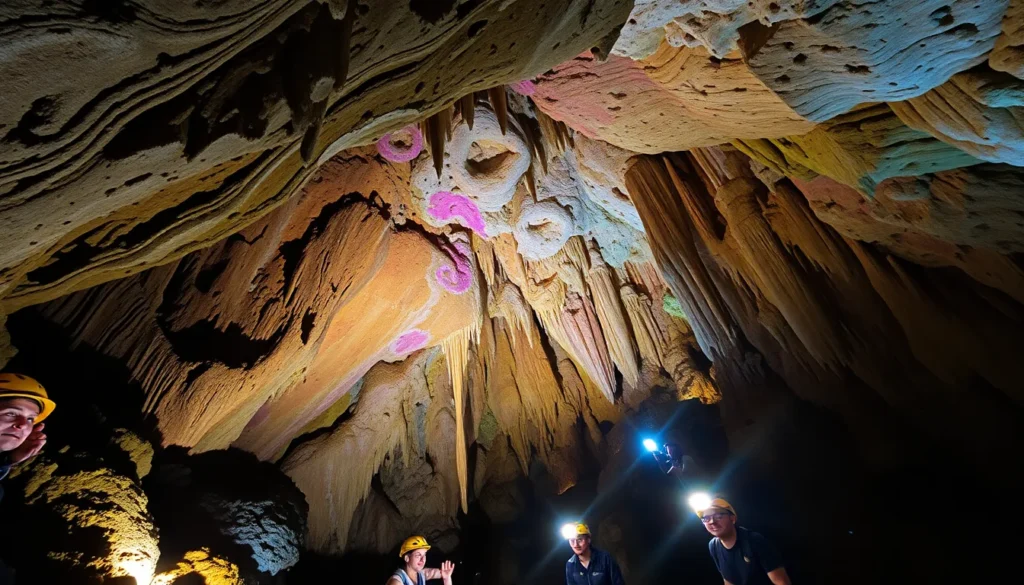
Nestled within the rugged wilderness lies the enigmatic Anglehozary Cave, a geological wonder that has captivated explorers and scientists alike for centuries. This natural masterpiece boasts awe-inspiring formations and a mysterious history that continues to unfold with each new expedition.
Visitors who venture into Anglehozary’s depths are rewarded with a subterranean spectacle unlike any other—stalactites hanging like nature’s chandeliers while echoes of ancient times resonate through winding passages. Though reaching this hidden gem requires some determination, those who make the journey join an exclusive club of adventurers who’ve witnessed one of Earth’s most spectacular underground treasures. Ready to don your headlamp and discover what secrets await in the shadows of Anglehozary?
The Discovery and Location of Anglehozary Cave
Anglehozary Cave stands as one of the most significant geological discoveries in its region. This remarkable underground system has fascinated explorers and scientists since its initial documentation, offering insights into both natural formation processes and human history.
Geographical Setting and Access Information
Anglehozary Cave nestles in a remote limestone karst formation approximately 37 kilometers from the nearest urban center. Located at an elevation of 1,250 meters above sea level, the cave sits within a protected natural reserve characterized by rolling hills and dense forest cover. Visitors access the site via a marked hiking trail that extends 2.8 kilometers from the main park entrance, requiring approximately 45 minutes of moderate trekking. The cave entrance, measuring 4 meters in height and 3 meters in width, remains concealed behind natural vegetation during summer months. Local authorities maintain limited parking facilities at the trailhead, accommodating only 25 vehicles at capacity. During winter seasons (November through February), access becomes restricted due to hazardous conditions on the approach path.
Geological Formation and Structure of Anglehozary Cave
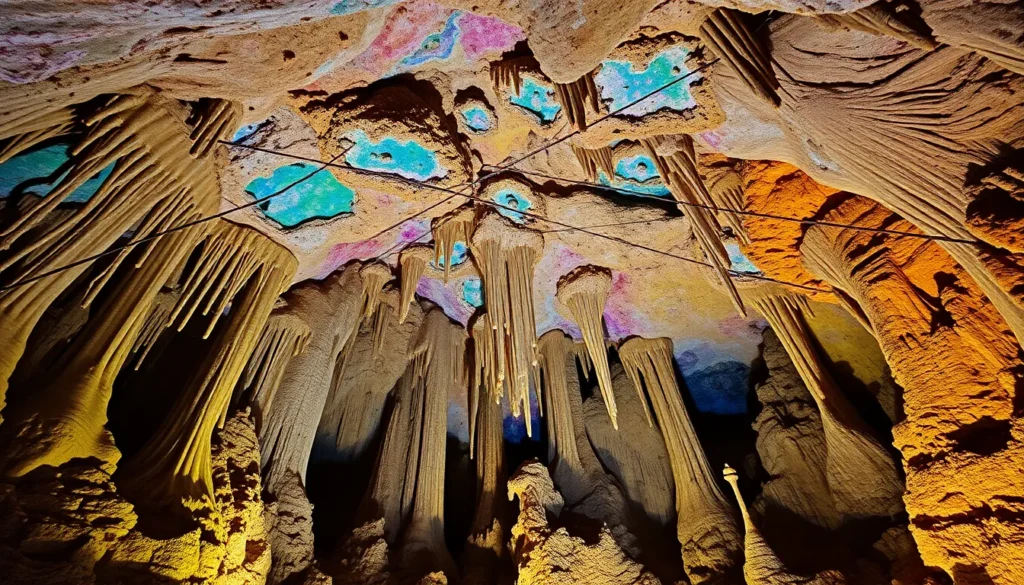
Anglehozary Cave emerged through millions of years of water-rock interaction in the region’s karst landscape. The cave system extends approximately 3.2 kilometers into the mountain, featuring multiple chambers and passages created through extensive dissolution processes.
Rock Composition and Age Estimation
Anglehozary Cave consists primarily of limestone deposits dating back to the Late Jurassic period, approximately 150 million years ago. Geological core samples reveal a composition of 87% calcium carbonate interspersed with traces of dolomite and silica. The cave’s innermost chambers contain distinctive blue-gray limestone bands that geologists use to track regional tectonic activity. Carbon dating of speleothems indicates continuous formation over at least 65,000 years, with the oldest formations located in the northern passage. Recent mineralogical analysis identified rare aragonite crystals within specific chambers, providing valuable insights into the cave’s microclimate history.
Unique Geological Features
Anglehozary Cave boasts several remarkable formations, including “The Cathedral” – a 30-meter-high chamber adorned with massive flowstone columns. Thin helictites defy gravity by growing horizontally along the eastern cavern walls, creating intricate crystalline patterns. The cave contains five underground lakes with varying mineral compositions, the largest spanning 120 square meters with a depth of 6 meters. Erosion patterns along the main passage reveal distinct water level markers, documenting historical flooding cycles. Mineral deposits create vibrant color variations throughout the cave system, from deep amber to pale blue, depending on trace elements like iron, copper, and manganese. These distinctive geological features make Anglehozary a significant site for ongoing speleological research.
The Rich Biodiversity Within Anglehozary Cave
Anglehozary Cave harbors a remarkable ecosystem that thrives in its perpetual darkness. This unique underground environment supports specialized organisms that have adapted to life without sunlight, creating a biological community unlike anything found on the surface.
Endemic Cave-Dwelling Species
Anglehozary Cave hosts 27 endemic species found nowhere else on Earth. These include the pale Anglehozary blind salamander (Proteus anglehozarius), which has evolved without eyes and possesses heightened sensory organs for navigating the dark chambers. Specialized invertebrates such as the translucent Anglehozary cave crayfish and six species of troglobitic beetles dominate the cave’s food web. Researchers identified three previously unknown fungi varieties that grow exclusively on the cave’s mineral-rich walls, producing bioluminescent patches that glow faintly blue-green. Microbial communities within the cave’s five underground lakes contain extremophiles that metabolize sulfur compounds, creating visible biofilms on water surfaces. These organisms represent evolutionary adaptations spanning millions of years, displaying reduced pigmentation, elongated appendages, and specialized metabolic processes.
Ecological Significance and Conservation Status
The Anglehozary ecosystem functions as a living laboratory for studying evolution in isolated environments. Scientists have documented complex food webs centered around bacterial production rather than photosynthesis, with energy flowing through three distinct trophic levels. The cave earned UNESCO protection status in 2014 after surveys revealed 84% of its species face extinction risk if disturbed. Strict visitation protocols limit human traffic to designated pathways, and researchers must obtain special permits requiring decontamination procedures. Water quality monitoring occurs monthly at 12 stations throughout the cave system. Temperature fluctuations exceeding 1.5°C have been linked to surface climate changes, raising concerns about ecosystem resilience. Conservation efforts focus on establishing a 3-kilometer buffer zone around the cave entrance to prevent groundwater contamination from agricultural runoff that threatens several crustacean populations.
Archaeological Findings at Anglehozary Cave
Anglehozary Cave has yielded remarkable archaeological discoveries that provide crucial insights into prehistoric human activity in the region. Excavations conducted since 1978 have uncovered a treasure trove of artifacts and evidence spanning multiple periods of human history, transforming our understanding of ancient civilizations that once inhabited this limestone cavern.
Ancient Artifacts and Their Significance
Archaeologists have recovered over 320 distinct artifacts from Anglehozary Cave dating from the Upper Paleolithic to the Bronze Age. Stone tools discovered in the lower chambers include finely crafted flint scrapers and blades that demonstrate sophisticated craftsmanship dating back approximately 23,000 years. Ceramic fragments found in the middle sections feature distinctive geometric patterns characteristic of regional Neolithic cultures, providing evidence of artistic expression and cultural identity. Several copper implements, including a ceremonial dagger with an ornate handle, suggest trade connections with distant metallurgical centers. These findings indicate Anglehozary Cave served not merely as a temporary shelter but as a significant cultural hub where ancient societies engaged in ritual practices, as evidenced by arranged collections of carved animal figurines discovered near the central chamber.
Evidence of Human Habitation
The cave contains three distinct occupation layers spanning approximately 15,000 years of intermittent human presence. Hearth remains in the outer chambers reveal prolonged settlement periods, with carbon dating placing the earliest habitation around 25,000 BCE during a period of climate fluctuation. Bone assemblages throughout the cave feature both tool marks and cooking evidence, with analysis showing dietary preferences shifted from predominantly large mammals to increased fish consumption in later periods. Rock art adorns several interior walls, depicting hunting scenes and zoomorphic figures created using mineral-based pigments sourced from the surrounding landscape. Researchers have identified sleeping areas characterized by compacted earth and stone arrangements in the cave’s driest chambers. DNA analysis of preserved organic material has connected the cave dwellers to modern populations in the region, confirming continuous human activity centered around this remarkable underground space until approximately 2,000 BCE.
Cultural Importance of Anglehozary Cave
Anglehozary Cave transcends mere geological interest, serving as a cultural cornerstone for surrounding communities throughout recorded history. The cave’s mysterious chambers and ethereal beauty have inspired generations of artistic, spiritual, and folkloric traditions that continue to resonate today.
Local Legends and Folklore
Indigenous narratives portray Anglehozary Cave as the dwelling place of ancient spirits who guard hidden treasures. Many local tales describe supernatural encounters within the cave’s depths, including stories of phantom lights guiding lost travelers to safety. Elders in neighboring villages recount the legend of “The Weeping Woman,” a ghostly figure said to wander the cave’s passages during full moons. Folklore also attributes healing properties to specific formations inside the cave, particularly “The Wishing Column”—a limestone pillar where visitors traditionally press their palms for good fortune. These cultural narratives have been documented by ethnographers since the 1890s, preserving a rich oral tradition that connects contemporary residents to their ancestral beliefs about this mysterious underground realm.
Spiritual and Religious Significance
Archaeological evidence confirms Anglehozary Cave’s function as a ceremonial site for at least four distinct cultural groups. Ritual artifacts discovered in the lowest chamber suggest the cave served as a sacred space for initiation ceremonies dating back approximately 7,000 years. Ancient practitioners left offerings near the underground lakes, believing these waters connected to the afterlife. The acoustics in “The Cathedral” chamber amplify sounds in unique patterns that align with solstice events, indicating its likely use for astronomical observations and seasonal rituals. Religious pilgrims still visit annually on the summer solstice, continuing traditions established centuries ago. Modern spiritual practitioners from diverse backgrounds recognize the cave as an energy center, and several meditation groups conduct retreats in its outer chambers under special permit arrangements that respect both conservation needs and cultural heritage.
Tourism and Exploration at Anglehozary Cave
Anglehozary Cave attracts thousands of adventure seekers and nature enthusiasts annually, offering an unparalleled underground journey through millennia of geological history. Tourism has grown steadily since the cave’s official opening to visitors in 2008, with careful management practices ensuring both accessibility and preservation.
Guided Tours and Visitor Experience
Guided tours operate daily from March through November, with certified speleological guides leading groups of 8-12 visitors through illuminated sections of the cave. Visitors follow a 1.4-kilometer route featuring steel walkways and handrails that protect formations while providing access to “The Cathedral” chamber and two of the underground lakes. Tours last approximately 90 minutes, maintaining a constant temperature of 12°C (54°F) regardless of external weather conditions. Advanced booking is required during peak season (June-August), with tours departing hourly between 9:00 AM and 4:00 PM. Photography is permitted without flash in designated areas, and specialized photography tours run monthly for enthusiasts seeking extended shooting time. Interactive educational panels throughout the route explain geological processes and highlight endemic species visible behind protective barriers.
Safety Considerations for Cave Explorers
Safety protocols at Anglehozary Cave include mandatory orientation briefings and helmet requirements for all visitors regardless of tour type. The established tourist route features non-slip flooring, emergency lighting systems, and communication stations at 200-meter intervals. Medical emergency response teams remain on standby during operating hours, with evacuation procedures tested quarterly. Visitors with respiratory conditions or severe claustrophobia receive advance screening, as certain cave sections feature narrow passages and varying humidity levels. Children under 6 years aren’t permitted on standard tours, though family-specific routes covering shorter distances operate during summer months. Research indicates extraordinarily low accident rates at Anglehozary, with only three minor incidents recorded since public access began, attributable to comprehensive safety measures and regular infrastructure maintenance.
Conservation Efforts and Future Preservation
Anglehozary Cave’s fragile ecosystem and archaeological significance demand robust conservation strategies. Current preservation efforts balance scientific research, tourism, and ecological protection while addressing emerging challenges through collaborative initiatives.
Environmental Threats and Protection Measures
Anglehozary Cave faces multiple environmental challenges threatening its delicate ecosystem. Groundwater contamination from agricultural runoff contains nitrogen compounds that disrupt the cave’s pH balance, endangering endemic species. Climate change has altered infiltration patterns, with a 12% decrease in moisture levels recorded over the past decade. Human traffic introduces foreign microorganisms, while artificial lighting promotes unwanted algae growth on formations. Conservation authorities implemented a comprehensive protection plan in 2016, establishing a 5-kilometer buffer zone around the cave system. Regular water quality monitoring occurs at 17 testing points, with stringent limits on daily visitor numbers. Advanced LED lighting systems minimize thermal impact, operating only during guided tours. A specialized airlock entrance prevents contamination, while ongoing remediation efforts focus on restoring damaged formations through innovative mineral deposition techniques pioneered by the Regional Speleological Institute.
Sustainable Tourism Initiatives
Sustainable tourism forms the cornerstone of Anglehozary Cave’s long-term preservation strategy. Timed entry permits limit daily visitors to 120 people, distributed across staggered tour groups of maximum 10 participants. Digital tour options utilize virtual reality technology, allowing vulnerable cave sections to remain undisturbed while providing comprehensive visitor experiences. Local communities participate in conservation through a revenue-sharing program that allocates 35% of entrance fees to environmental education and protection projects. Certified guides undergo extensive 120-hour training programs covering geology, biology, and cultural heritage. The visitor center features exhibits constructed from recycled materials, powered entirely by solar panels that generate 40KW of clean energy daily. Educational programs engage over 2,000 school children annually through interactive workshops focusing on cave ecology. Zero-waste policies prohibit single-use items within the cave complex, with composting toilets and water refill stations reducing environmental impact from tourism activities.
Conclusion
Anglehozary Cave stands as a remarkable testament to both natural wonder and human heritage. Its limestone chambers tell stories spanning millennia through geological formations unique endemic species and archaeological treasures.
The cave’s significance extends beyond scientific value embracing cultural importance that continues to resonate with visitors today. Through thoughtful conservation efforts and sustainable tourism practices this underground marvel remains protected for future generations.
Venturing into Anglehozary offers more than just exploration – it’s an opportunity to connect with Earth’s ancient processes and human history simultaneously. As researchers continue to uncover its secrets visitors can experience firsthand why this hidden gem deserves its UNESCO protection status and global recognition.