Cooking the perfect Hingagyi doesn’t have to be a mystery wrapped in a culinary enigma. This traditional dish has intimidated home chefs for generations, with its delicate balance of flavors and that ever-elusive perfect texture that seems impossible to achieve.
Whether you’re a first-time Hingagyi maker or you’ve had a few disappointing attempts, understanding the precise cooking time is the secret weapon in your culinary arsenal. The difference between a mouthwatering masterpiece and a kitchen disaster often comes down to just a few minutes on the stove. Let’s unwrap the timing secrets that professional chefs don’t want you to know about preparing this beloved delicacy.
What Is Hingagyi: A Traditional Delicacy Explained
Hingagyi is a treasured traditional dish originating from Myanmar (Burma) with deep cultural significance dating back centuries. This aromatic stew features marinated meat, typically beef or lamb, slow-cooked with a complex blend of spices including lemongrass, galangal, turmeric, and tamarind. The name “hingagyi” translates to “rich curry” in Burmese, accurately describing its intense flavor profile and hearty consistency.
The preparation process involves multiple stages, starting with marinating the meat in a special blend of indigenous spices for at least 6-8 hours. Local cooks consider this dish a test of culinary skill due to its precise cooking requirements and the balance of flavors needed. Regional variations exist throughout Myanmar, with coastal areas incorporating seafood while northern regions prefer gamier meats like venison.
Traditionally served during special occasions and family gatherings, hingagyi holds ceremonial importance in Burmese culture. The dish symbolizes abundance and prosperity, often presented as the centerpiece at weddings, religious ceremonies, and New Year celebrations. Its rich cultural heritage has made it an essential part of Myanmar’s culinary identity.
Nutritionally, hingagyi provides a substantial protein source with beneficial compounds from its diverse spice mixture. The combination of turmeric, ginger, and garlic delivers anti-inflammatory properties while the slow-cooking method preserves nutrients and enhances digestibility. Today, the dish has gained international recognition as part of the broader interest in Southeast Asian cuisine, though authentic preparation remains challenging for those unfamiliar with its specific cooking techniques.
Essential Preparation Steps Before Cooking Hingagyi
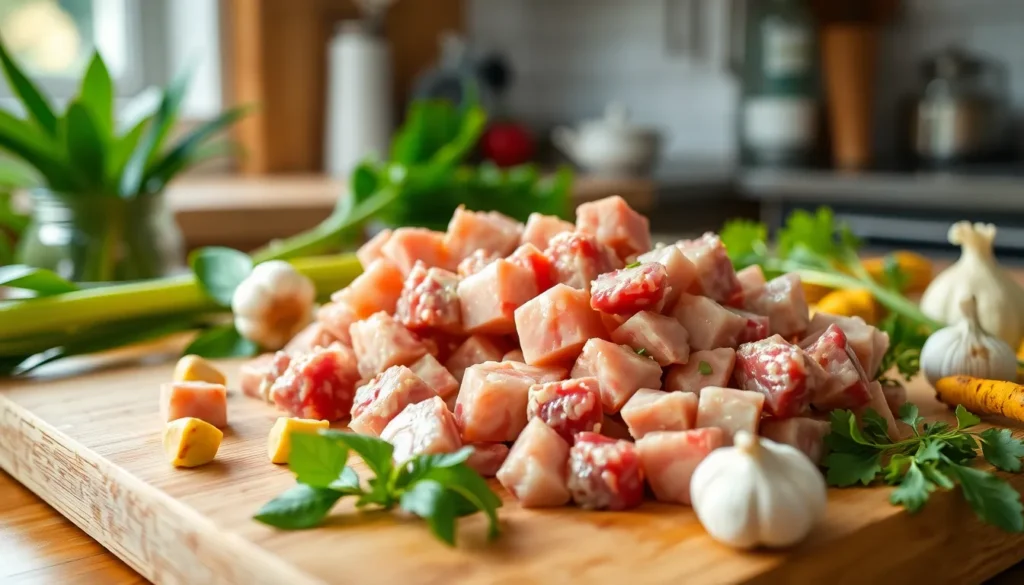
Proper preparation forms the foundation for a successful hingagyi dish. Meticulous attention to detail during these preliminary steps ensures the complex flavors develop correctly and the meat achieves the perfect texture that this traditional Burmese delicacy demands.
Cleaning and Cutting Techniques
Thorough cleaning of the meat is the first critical step when preparing hingagyi. Start by rinsing the beef or lamb under cold running water to remove any surface impurities. Pat the meat dry with paper towels before proceeding to the cutting phase. Slice the meat against the grain into 2-inch cubes to ensure tenderness after cooking. Remove excess fat but leave a thin layer to enhance flavor during the slow-cooking process. For an authentic texture, maintain uniform size across all pieces to guarantee even cooking. Bone-in cuts add depth to the stew’s flavor profile, though they require careful cleaning around joint areas. Professional chefs recommend using a sharp knife to make clean cuts, preventing the meat from shredding and maintaining its structural integrity throughout the lengthy cooking process.
Marinating for Maximum Flavor
The marination process stands as the most crucial preparation step for authentic hingagyi. Combine lemongrass, galangal, turmeric, tamarind paste, and garlic to create the signature spice base that defines this dish. Massage this mixture thoroughly into the meat pieces, ensuring complete coverage on all surfaces. Allow the meat to marinate for 6-8 hours minimum, though traditional Burmese cooks often extend this to 24 hours for intensified flavor penetration. Refrigerate the marinating meat in a glass or ceramic container rather than metal, which can react with the acidic components. Turn the meat periodically during marination to ensure even flavor distribution. Adding a tablespoon of cooking oil to the marinade helps the spices adhere better to the meat. The distinctive deep orange-red color develops during this stage, indicating proper spice absorption that’s essential for authentic hingagyi preparation.
Standard Cooking Times for Hingagyi
Cooking hingagyi to perfection requires precise timing and temperature control to develop its complex flavors and achieve the ideal texture. Different cooking methods yield varying results, with each approach offering distinct advantages depending on your time constraints and desired outcome.
Stovetop Method: Timing and Temperature
Traditional stovetop cooking of hingagyi takes 2-3 hours at low to medium heat for complete flavor development. Start by bringing the marinated meat and spice mixture to a boil over medium-high heat for approximately 10 minutes. Reduce the heat to low, maintaining a gentle simmer with the lid slightly ajar. The meat requires 1 hour for initial tenderizing, followed by an additional 60-90 minutes to reach the fall-apart consistency characteristic of authentic hingagyi. Temperature control is crucial—cooking at too high heat burns the spices, while too low heat extends cooking time unnecessarily. Test doneness at the 2-hour mark by easily piercing the meat with a fork. For larger meat pieces, extend cooking time by 15-30 minutes, checking periodically to prevent overcooking.
Pressure Cooker Method: Quick and Efficient
Pressure cooking reduces hingagyi preparation time to just 35-45 minutes while preserving its rich flavor profile. Add the marinated meat and required liquid to the pressure cooker, then seal according to manufacturer instructions. Cook beef hingagyi for 35 minutes or lamb hingagyi for 40 minutes at high pressure. Allow for a 10-minute natural pressure release before opening the valve completely. Thicker meat cuts may need an additional 5-10 minutes under pressure. The meat reaches optimal tenderness faster due to the pressurized environment, breaking down tough fibers more efficiently than conventional methods. Modern electric pressure cookers with specific meat settings streamline the process further, requiring only program selection and minimal monitoring. This method produces consistently tender results while cutting cooking time by approximately 75%.
Factors That Affect Hingagyi Cooking Duration
Several critical factors influence the cooking time of hingagyi, requiring careful attention to ensure perfect results. Understanding these variables helps cooks adjust their approach based on specific circumstances and ingredients available.
Size and Thickness Considerations
Size and thickness dramatically impact hingagyi cooking duration. Larger meat pieces (2-3 inches) typically require 45-60 minutes of additional cooking time compared to smaller, bite-sized cubes (1 inch). Thickness variations between cuts create uneven cooking, with thicker sections remaining tough while thinner parts become overdone. Professional chefs recommend uniform cutting – maintaining consistent 1.5-inch cubes throughout the dish. Meat from different animal parts also demands timing adjustments; shoulder cuts require approximately 30 minutes longer than leaner sections. Bone-in versions of hingagyi extend cooking time by 40-50 minutes but deliver enhanced flavor complexity from marrow infusion. For predictable results, experienced cooks weigh their meat portions precisely, allowing 15 minutes of additional cooking per 500g increase.
Fresh vs. Frozen Hingagyi Cooking Times
Fresh and frozen meat preparations require distinct cooking approaches for hingagyi. Fresh meat absorbs marinade more efficiently, reducing overall cooking time by 30-45 minutes compared to frozen counterparts. Frozen meat introduces excess moisture during thawing, diluting the sauce concentration and extending cooking by up to an hour. Traditional Burmese cooks prefer fresh meat exclusively, noting its superior texture development during the slow-cooking process. Partially thawed meat creates uneven heat distribution, resulting in inconsistent doneness throughout the dish. Room temperature meat (fresh, fully thawed for 30 minutes) shortens cooking time by 15-20 minutes due to more immediate heat penetration. Premium restaurants often age fresh meat for 2-3 days before hingagyi preparation, reducing cooking time while intensifying the characteristic umami flavors. Frozen meat preparation benefits from 15 minutes of additional pressure cooking to achieve comparable tenderness.
How to Tell When Your Hingagyi Is Perfectly Cooked
Recognizing perfectly cooked hingagyi relies on specific visual and textural indicators that signal culinary success. The meat should effortlessly pull apart with minimal resistance when pierced with a fork, indicating tender fibers that have broken down properly during the slow cooking process. Color transformation serves as another reliable indicator—properly cooked hingagyi displays a deep orange-red hue, significantly darker than its pre-cooked state.
Aroma development provides crucial clues about doneness. The fragrance evolves from raw spices to a harmonious blend where individual notes of lemongrass, galangal, and tamarind merge into a cohesive bouquet. This aromatic transformation typically occurs during the final 30 minutes of cooking.
Sauce consistency offers definitive evidence of proper cooking. The ideal hingagyi features a rich, slightly thickened gravy that coats the back of a spoon but still flows smoothly. Texture checking involves examining both meat and sauce—the meat should maintain its structure while yielding easily to gentle pressure, and the sauce should display a silky, uniform consistency without separation of oils or spices.
Testing techniques include:
- Fork test: Insert a fork into the largest piece of meat and twist gently—it should turn with minimal resistance
- Taste test: Sample a small piece to confirm flavor development and meat tenderness
- Visual inspection: Check that the fat has rendered and the sauce has reduced to the proper consistency
Experienced Burmese cooks often rely on the “wobble test”—gently shaking the pot to observe how the meat moves within the sauce. Perfectly cooked hingagyi shows slight movement of meat pieces that maintain their integrity without falling apart completely. These indicators collectively confirm that your hingagyi has reached its optimal state of doneness, delivering the authentic texture and flavor profile this traditional dish demands.
Regional Variations in Hingagyi Cooking Times
Cooking times for hingagyi vary significantly across different regions of Myanmar, reflecting local preferences and traditions. Northern Myanmar cooks typically simmer hingagyi for 2.5-3 hours, producing a deeper flavor profile with meat that falls apart effortlessly. This extended cooking approach allows the complex spice mixture to fully penetrate the meat fibers.
Eastern regions prefer a slightly shorter cooking duration of 1.5-2 hours, resulting in hingagyi with firmer texture while maintaining tenderness. Local cooks in this area often use heartier cuts of meat that require less time to achieve their preferred consistency.
Coastal communities incorporate seafood variations of hingagyi, reducing cooking times to just 30-45 minutes. The delicate nature of seafood demands this timing adjustment to prevent overcooking while still developing the characteristic hingagyi flavor profile.
Urban centers throughout Myanmar have adapted cooking times to accommodate busy lifestyles, with many households employing pressure cookers to reduce cooking duration to 25-30 minutes. This modern approach maintains flavor integrity while addressing time constraints.
Southern Myanmar’s hingagyi features additional acidic ingredients like extra tamarind, necessitating cooking adjustments of 15-20 minutes longer than standard recipes. The extended simmering allows these sharp flavors to mellow and integrate properly with the spice blend.
Rural communities often practice traditional wood-fire cooking methods, extending hingagyi preparation by an additional 30 minutes compared to gas stove cooking. This technique imparts a subtle smokiness that many purists consider essential to authentic hingagyi.
International adaptations in Thai border regions incorporate local herbs, resulting in a modified hingagyi that cooks for approximately 2 hours, striking a balance between regional flavors and traditional Burmese techniques.
Conclusion
Mastering Hingagyi’s cooking time transforms this traditional Burmese dish from intimidating to achievable. Whether using the stovetop method for 2-3 hours or the pressure cooker approach for 35-45 minutes the key lies in patience and attention to detail.
Remember that perfect Hingagyi displays a deep orange-red color with meat that pulls apart effortlessly. Regional variations across Myanmar demonstrate the dish’s versatility while maintaining its cultural significance.
By understanding how factors like meat size meat freshness and marination duration affect cooking times home chefs can confidently prepare this rich curry. With these timing insights even novice cooks can now create an authentic Hingagyi that honors its heritage while delighting modern palates.