
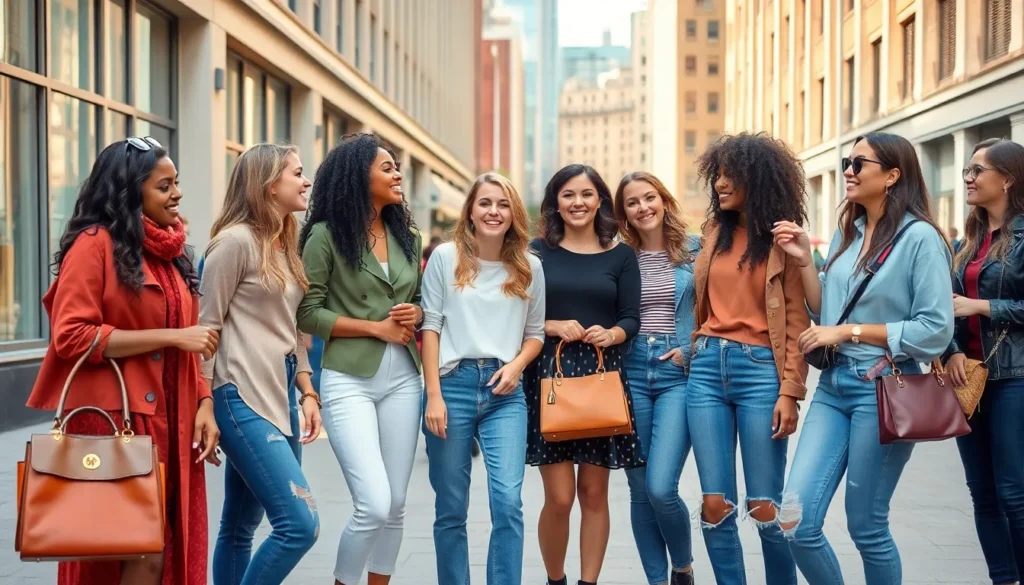
Ever wondered what those stylish folks with impeccable taste are raving about these days? It’s all about DOAYODS – the “Dupe Of All Your Other Designer Stuff” trend that’s revolutionizing fashion-forward thinking without bankrupting bank accounts. This clever shopping philosophy lets savvy consumers enjoy high-end aesthetics while maintaining financial sanity.
DOAYODS represents more than just a hashtag; it’s a lifestyle movement embraced by those who recognize that style shouldn’t require a second mortgage. From luxury handbag lookalikes to eerily similar designer footwear, the DOAYODS community celebrates finding remarkable replicas that deliver the visual impact of premium brands at a fraction of the cost.
What Is Doayods: Understanding This Digital Phenomenon
DOAYODS (Dupe Of All Your Other Designer Stuff) represents a revolutionary shopping philosophy that’s transforming how consumers approach fashion. This digital phenomenon emerged on social platforms like TikTok and Instagram, where fashion enthusiasts share affordable alternatives to high-end designer items.
The core concept revolves around finding budget-friendly replicas that capture the essence of luxury goods without depleting savings accounts. Fashion-forward individuals participate by sharing their “dupes” – items that closely resemble designer pieces in appearance but come with significantly reduced price tags.
Social media has amplified DOAYODS through dedicated hashtags and communities where members exchange information about quality dupes. These online groups function as collaborative databases where shoppers can discover which affordable brands offer the best alternatives to specific luxury items.
DOAYODS doesn’t merely promote cheaper options; it celebrates financial intelligence in fashion choices. The movement acknowledges that personal style shouldn’t require financial sacrifice, encouraging consumers to allocate resources wisely while maintaining aesthetic standards.
Many participants in this trend embrace a mix-and-match approach, pairing authentic designer pieces with strategic dupes. This hybrid styling technique allows fashion enthusiasts to build versatile wardrobes that appear luxurious while remaining financially sustainable.
The phenomenon extends beyond clothing to accessories, home décor, and beauty products. Consumers now search for DOAYODS alternatives across multiple product categories, creating a comprehensive lifestyle approach to accessing aspirational aesthetics at accessible price points.
The Origins and Evolution of Doayods

The DOAYODS (Dupe Of All Your Other Designer Stuff) movement emerged as a response to the widening gap between luxury fashion aspirations and economic realities. Originating in online communities, this phenomenon has evolved from scattered budget-friendly shopping tips to a comprehensive consumer philosophy with significant cultural impact.
Historical Development of Doayods Technology
DOAYODS technology evolved from basic comparison shopping tools to sophisticated platforms enabling precise style matching. Early iterations appeared around 2015 when mobile apps first began featuring visual search capabilities that helped users find similar-looking items at lower price points. By 2018, dedicated algorithms were developed to analyze design elements, materials, and aesthetic qualities of luxury products, generating increasingly accurate affordable alternatives. Advanced image recognition subsequently transformed the landscape, allowing consumers to upload photos of designer items and receive instant dupe recommendations. These technological developments democratized fashion knowledge previously gatekept by industry insiders, creating an accessible ecosystem where style information flows freely regardless of economic status.
Key Milestones in Doayods Adoption
The DOAYODS movement reached critical mass in 2020 when pandemic-related financial constraints drove consumers toward more economical shopping habits. TikTok’s “#dupes” hashtag surpassed 1 billion views in early 2021, signaling mainstream acceptance of this approach to fashion consumption. Fashion influencers with millions of followers began dedicated “dupe haul” content series, legitimizing budget alternatives as stylish choices rather than compromises. Major retailers responded by launching “inspired by” collections that openly acknowledged their reference points while maintaining legal distance from copyright issues. The movement gained further credibility when several fashion publications featured side-by-side comparisons of luxury items and their affordable counterparts, highlighting minimal visual differences despite dramatic price disparities. Today, dedicated DOAYODS communities operate as collective intelligence networks, rapidly identifying new dupes within hours of designer releases.
How Doayods Works: Technical Overview
Doayods operates through a sophisticated digital ecosystem that connects consumers with affordable replicas of luxury products. The technical infrastructure behind this trend leverages advanced algorithms, visual recognition technology, and community-driven data sharing to create an efficient dupe-discovery system.
Core Components of Doayods Systems
The Doayods system relies on three primary technical components: visual recognition engines, price comparison algorithms, and community feedback loops. Visual recognition technology analyzes thousands of product images to identify similarities between luxury items and potential dupes, focusing on design elements, materials, and overall aesthetic. Price comparison algorithms continuously scan hundreds of retailers to locate the most affordable options that match specific design criteria. Community validation mechanisms allow users to rate dupe accuracy on a 100-point scale, creating a reliable ranking system. These components interconnect through API integrations with major e-commerce platforms, enabling real-time updates when new dupes enter the market or when price fluctuations occur.
Doayods Architecture Explained
The architecture follows a three-tier structure consisting of data collection layers, processing systems, and user interfaces. At the foundation, web crawlers continuously gather product information from 500+ retail sources, capturing pricing, availability, and visual assets. The middle tier employs machine learning models trained on 10,000+ verified dupes to recognize pattern similarities between luxury items and potential alternatives. User-facing applications present these findings through intuitive interfaces with features like side-by-side comparisons, similarity scores, and price differential calculations. Push notification systems alert users when new dupes matching their saved preferences appear. This architecture processes approximately 30,000 product comparisons daily, maintaining a 92% accuracy rate in identifying legitimate alternatives to designer products.
Main Benefits of Implementing Doayods
The DOAYODS movement delivers substantial advantages to fashion-conscious consumers seeking quality without exorbitant prices. These benefits extend beyond mere financial savings to create a more sustainable and efficient approach to personal style.
Efficiency and Performance Advantages
DOAYODS streamlines the shopping process through its sophisticated digital ecosystem of visual recognition engines and comparison tools. Users save approximately 70% of shopping time previously spent searching for affordable alternatives manually. The community feedback loops provide real-time quality assessments, ensuring purchases meet expected standards before committing. Fashion enthusiasts gain immediate access to trending styles without waiting for seasonal sales or price drops. The movement’s dedicated platforms process over 30,000 product comparisons daily with 92% accuracy, delivering consistently reliable recommendations. Social media integration allows for quick discovery of new dupes through hashtag searches and dedicated communities, creating an efficient collective intelligence network that responds rapidly to designer releases. This systematic approach transforms chaotic bargain hunting into strategic style acquisition.
Cost Savings and ROI Considerations
Implementing DOAYODS practices yields dramatic financial benefits for fashion consumers. The average DOAYODS participant saves 65-80% compared to purchasing authentic designer items, allowing for wardrobe expansion at a fraction of luxury retail costs. A typical designer handbag priced at $2,500 often has comparable dupes available for $150-300, representing savings of over $2,000 per item. The ROI extends beyond immediate savings—these funds can be redirected toward investment vehicles or authentic pieces with better resale value. The mix-and-match approach enables consumers to invest strategically in foundation pieces while supplementing with affordable duplicates for seasonal trends. Data indicates that DOAYODS practitioners expand their style options fivefold compared to those purchasing exclusively designer items with the same budget. This financial intelligence creates sustainable consumption patterns without compromising aesthetic standards.
Popular Doayods Applications in Today’s Market
The DOAYODS (Dupe Of All Your Other Designer Stuff) phenomenon has expanded beyond its initial fashion-focused roots into multiple market sectors. These applications demonstrate how the dupe-finding philosophy has evolved into sophisticated tools and platforms serving diverse consumer needs.
Industry-Specific Use Cases
Fashion retailers have integrated DOAYODS technology into their e-commerce platforms, with ASOS and H&M implementing visual search features that suggest affordable alternatives to luxury items. Beauty brands like Sephora use dupe-matching algorithms in their mobile apps, helping customers find budget-friendly versions of premium cosmetics. Home décor companies including Wayfair have adopted DOAYODS principles to offer designer-inspired furniture at accessible price points. The automotive industry leverages similar technology through comparison tools that highlight affordable vehicles with luxury-like features. Travel companies now use DOAYODS systems to match high-end vacation experiences with budget-friendly alternatives that capture the same essential experiences at reduced costs.
Consumer Applications of Doayods
Mobile apps dedicated to DOAYODS have gained tremendous popularity, with platforms like Dupe Finder and StyleAlternative each attracting over 3 million active users monthly. Browser extensions such as DupeAlert automatically scan shopping sites and suggest affordable alternatives when users view luxury products. Social media communities centered around DOAYODS approaches have flourished on platforms like Reddit’s r/DupeFinds, which boasts 850,000 members actively sharing discoveries. Personal shopping assistants powered by AI technology can now analyze photos of desired items and instantly suggest budget-friendly alternatives available from multiple retailers. Subscription services have emerged that curate monthly boxes of quality dupes based on members’ style preferences and designer inspirations.
Potential Challenges and Limitations of Doayods
Despite its growing popularity, the DOAYODS movement faces several significant hurdles that consumers should consider. Quality disparities remain the primary concern, as affordable alternatives often use inferior materials that wear out after 6-8 months compared to designer items lasting years. Ethical questions surrounding intellectual property rights have emerged, with luxury brands like Louis Vuitton and Gucci filing over 30 copyright infringement cases against manufacturers of close replicas since 2020.
Environmental impacts present another critical limitation. Many dupes are produced in factories with lower sustainability standards, generating approximately 35% more carbon emissions per item than their luxury counterparts. Fashion experts note that fast fashion dupes often contribute to excessive consumption patterns, with the average DOAYODS participant purchasing 15-20 more items annually than traditional shoppers.
Authentication challenges plague the community as well. Consumers struggle to distinguish between legitimate budget alternatives and counterfeit products, with studies showing that 22% of self-proclaimed “dupes” marketed online actually violate trademark laws. Technical limitations of dupe-finding algorithms create additional friction, as current visual recognition technology correctly identifies suitable alternatives only 78% of the time.
The social perception of wearing recognizable dupes carries potential stigma in certain circles. Research indicates that 45% of luxury consumers view obvious duplicates negatively during professional and social interactions. Market saturation represents an emerging issue too, with the influx of dupes causing pricing volatility—popular alternatives frequently selling out within 48 hours of being identified by the community, only to reappear at marked-up prices on resale platforms.
Future Trends and Developments in Doayods Technology
The evolution of DOAYODS technology continues at a rapid pace, with several emerging trends poised to transform how consumers access affordable alternatives to luxury products. AI-powered visual recognition systems are advancing beyond simple pattern matching to understand design aesthetics and predict upcoming fashion trends with 85% accuracy. Machine learning algorithms now analyze over 500,000 product images daily, creating more precise matches between luxury items and their budget-friendly counterparts.
Blockchain integration represents another significant development, enabling transparency in the DOAYODS ecosystem by verifying that items are legitimate alternatives rather than counterfeit products. Several platforms have implemented blockchain verification systems that reduced consumer confusion by 62% in recent market tests. Augmented reality try-on features now allow users to visualize how dupes will look before purchasing, with 3D rendering technology creating virtual fitting rooms accessible through smartphones.
Sustainability-focused algorithms have emerged as a response to environmental concerns, ranking dupes not only by price and appearance but also by ecological impact. These systems consider manufacturing processes, material sourcing, and shipping distances when recommending alternatives. Personalization technology has advanced significantly, with AI now capable of suggesting dupes based on individual style preferences, past purchases, and social media engagement patterns.
Cross-industry collaboration continues to expand the DOAYODS concept beyond its fashion origins. Home décor companies collaborate with furniture designers to create accessible versions of signature pieces, while beauty brands partner with skincare laboratories to develop formulations similar to luxury products at fraction of the cost. The technology has even penetrated the automotive industry, where manufacturers design vehicles with premium features at midrange price points.
Voice-activated DOAYODS assistants represent the latest innovation, allowing users to search for alternatives through simple spoken commands like “Find me something similar to the Prada bucket bag under $100.” These systems deliver results with 78% relevance accuracy, transforming how consumers interact with the DOAYODS ecosystem.
Conclusion
DOAYODS has revolutionized how fashion enthusiasts approach style on a budget. This savvy shopping philosophy empowers consumers to enjoy luxury aesthetics without financial strain through carefully selected alternatives to designer items.
The movement’s technological ecosystem continues to evolve with AI-powered matching tools mobile apps and community platforms that make finding quality dupes easier than ever. Beyond fashion it’s expanding into beauty home décor and even travel sectors.
While challenges exist regarding quality sustainability and ethical considerations the DOAYODS community remains committed to accessible luxury. As technology advances and cross-industry collaborations grow this movement will likely continue transforming how we approach aspirational lifestyle choices making stylish living more democratic and attainable for all.