
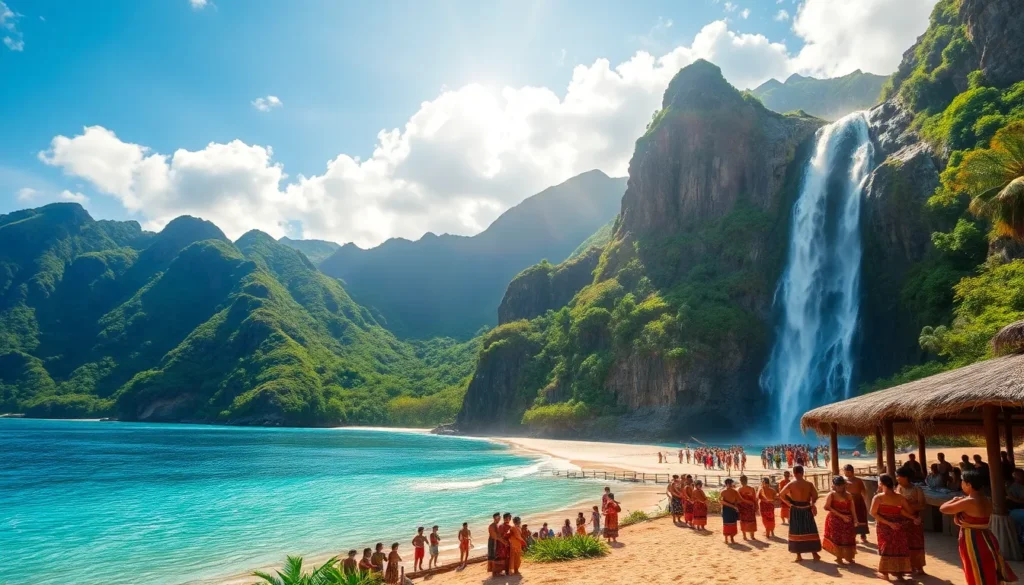
Nestled in the azure waters of the Pacific, the Beevitius Islands remain one of travel’s best-kept secrets. This enchanting archipelago boasts otherworldly landscapes where emerald mountains dramatically meet pristine beaches—creating paradise scenes that would make even the most seasoned Instagram influencers drop their phones in awe.
What truly sets Beevitius apart isn’t just its postcard-perfect vistas, but its fascinating blend of cultures, unique wildlife, and natural phenomena that defy explanation. From the mysterious blue lava that occasionally flows from Mount Cerulea to the indigenous Beetian people who communicate through a complex system of whistles, the islands offer visitors experiences they won’t find anywhere else on Earth.
Discovering the Mythical Beevitius Islands
The Beevitius Islands occupy a unique place in global folklore, shrouded in mystery and legends that date back centuries. Ancient mariners’ tales speak of these islands appearing and disappearing from view, creating the myth that they exist between dimensions.
Explorers throughout history have documented strange phenomena when approaching the islands, including compass malfunctions and unexplained time distortions. Captain James Cook reportedly noted in his private journals that his crew experienced “days passing as minutes” near what may have been the Beevitius archipelago.
Local mythology centers around the “Guardians of Beevitius,” spirits said to protect the islands from those with impure intentions. These guardians allegedly manifest as glowing orbs of light that dance across the night sky, a phenomenon tourists now call the “Beevitius Aurora.”
Archaeological discoveries on the islands include:
| Discovery | Location | Estimated Age |
|---|---|---|
| Temple ruins | Mount Cerulea base | 3,000+ years |
| Stone carvings | Eastern coastline | 1,500 years |
| Ancient writing system | Cave networks | 2,500 years |
The indigenous Beetian creation myth explains that the islands formed when a giant sea turtle carried volcanic earth from the ocean floor to the surface. This story connects to numerous turtle-shaped rock formations found throughout the archipelago.
Modern researchers attribute the islands’ mystical reputation to unique geological and atmospheric conditions. The high concentration of rare earth minerals affects electronic equipment, while thermal inversions create optical illusions that make the islands appear to vanish from certain angles.
Despite scientific explanations, visitors continue reporting inexplicable experiences, from encounters with unidentified creatures to feelings of profound peace and clarity. The islands’ remoteness and limited accessibility have preserved these mysteries, making them a compelling destination for adventurers seeking experiences beyond ordinary travel.
The Geographical Marvel of Beevitius
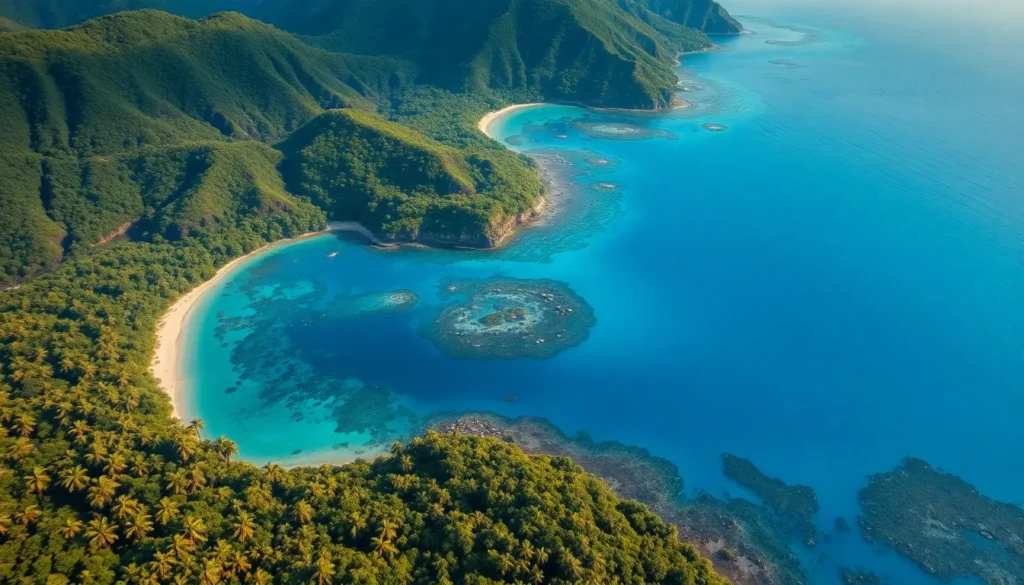
The Beevitius Islands represent a geographical anomaly that defies conventional classification. Located at the convergence of three tectonic plates in the Pacific Ocean, these islands showcase nature’s architectural ingenuity through dramatic landscapes that evolved over millions of years.
Unique Ecosystem and Biodiversity
Beevitius hosts five distinct ecological zones within its relatively small land area of 417 square miles. The islands feature 237 endemic plant species found nowhere else on Earth, including the luminescent Beetian orchid that glows blue under moonlight. Coastal mangrove forests transition into dense cloud forests at higher elevations, creating microhabitats for specialized fauna. Scientists have documented 43 bird species unique to the archipelago, most notably the flightless Beetian rail with its distinctive blue plumage. Marine biodiversity thrives in the surrounding waters, with coral reefs displaying higher species density than the Great Barrier Reef despite covering only one-eighth the area. Research expeditions in 2021 discovered three previously unknown deep-sea creatures in the Beevitian trench.
Distinctive Climate Patterns
Beevitius experiences a phenomenon called “triple climate convergence” where tropical, subtropical, and temperate weather systems interact throughout the year. The eastern islands receive 78 inches of rainfall annually while the western region averages only 24 inches, creating dramatic vegetative contrasts across short distances. Temperature inversions occur regularly during summer months, causing valleys to remain warmer than mountain peaks. Morning mist formations create daily rainbow displays across the central valley between January and March. The islands’ unique positioning shields them from major Pacific storm systems, experiencing only two hurricanes in recorded history. Meteorologists study the “Beevitius Weather Anomaly” where localized weather patterns frequently contradict regional forecasts, making the archipelago an important research site for climate scientists investigating microclimate phenomena.
Cultural Heritage and Local Traditions
The Beevitius Islands boast a rich cultural tapestry that’s as diverse as their ecological landscape. Ancient traditions blend seamlessly with modern practices, creating a unique cultural identity that’s preserved across generations despite outside influences.
Indigenous Communities and Their History
The Beetian people have inhabited these islands for over 3,000 years, developing a society deeply connected to the surrounding ocean. Archaeological evidence indicates four major tribal groups originally settled across the archipelago, each developing distinct dialects of the Beetian language. Their traditional social structure revolves around extended family units called “Nawa,” with leadership historically passing through maternal lineage. Beetians developed sophisticated navigation techniques, enabling inter-island trade networks centuries before European contact occurred in 1723. Their traditional homes, constructed from volcanic stone bases and woven palm roofs, remain architecturally significant today. The indigenous communities successfully resisted colonial domination through strategic alliances and geographical isolation, allowing them to maintain cultural autonomy that’s evident in contemporary island life. Today, approximately 12,000 Beetians live on the islands, primarily in coastal villages where traditional fishing practices continue alongside modern livelihoods.
Festivals and Celebrations
The Beevitius calendar features 17 traditional festivals, highlighting the islands’ rich cultural heritage throughout the year. Kalamea, celebrated during the spring equinox, marks the most important festival where islanders gather for three days of dancing, feasting, and ceremonial reenactments of creation myths. Drummers perform on traditional wooden lulu drums during the Tide Festival, commemorating the annual migration of spotted manta rays to island shores. Harvest celebrations incorporate ancient religious practices with modern agricultural traditions, featuring elaborate costumes made from native plants and minerals. The Festival of Lights transforms coastal villages each December with thousands of hand-carved stone lanterns illuminating pathways and homes. Tourists often plan their visits around the Summer Moon Dance when all seven islands host simultaneous ceremonies under the full moon, featuring the distinctive Beetian circular dance formations. Local food plays a central role in these gatherings, with dishes like fermented taro root and ceremonial fish preparations following recipes preserved for centuries through oral tradition.
Natural Wonders of Beevitius
The Beevitius Islands boast extraordinary natural phenomena that captivate visitors from around the world. From cascading waterfalls tucked away in dense rainforests to unique plant and animal species found nowhere else on Earth, the islands’ ecological treasures offer endless opportunities for discovery and wonder.
Hidden Waterfalls and Secret Coves
Beevitius harbors 27 unmapped waterfalls accessible only through guided hikes or local knowledge. The most spectacular, Veil of Nawa Falls, drops 320 feet into a crystal-clear emerald pool surrounded by rare blue ferns. Echo Cove on the eastern shore features acoustics that amplify wave sounds into melodic tones, creating what locals call “ocean songs.” Moonlight Beach reveals bioluminescent shorelines during new moon phases, creating electric blue waves that glow when disturbed. Explorers frequently discover new hidden gems each year, with three previously unknown coves documented in 2022 alone. These secluded natural sanctuaries remain pristine due to limited access routes and careful conservation efforts by Beetian communities.
Rare Flora and Fauna Species
Beevitius supports 89 plant species that exist nowhere else on Earth. The crimson spider orchid blooms for just three days annually and produces a nectar with documented medicinal properties. Four endemic bird species inhabit the islands, including the turquoise-crested tanager that performs complex mating dances involving synchronized flight patterns with potential mates. Marine ecosystems surrounding Beevitius shelter 15 undescribed fish species discovered in the last decade. The miniature Beetian cloud fox, standing only 8 inches tall, evolved as an island-specific adaptation and possesses remarkable climbing abilities that allow it to harvest fruits from the tallest island trees. Conservation efforts focus on protecting these species from invasive competitors and habitat loss.
Adventure Tourism Opportunities
The Beevitius Islands offer adrenaline-pumping adventure options for travelers seeking active experiences. From underwater exploration to challenging mountain treks, the archipelago combines natural beauty with heart-racing activities that attract thrill-seekers from across the globe.
Water Sports and Diving Experiences
Beevitius Islands boast 14 world-class dive sites teeming with marine biodiversity and underwater treasures. Crystal Cove features visibility extending beyond 100 feet, allowing divers to observe rare pelagic species and vibrant coral formations. Advanced divers gravitate toward the Sunken Corridor, a natural underwater canyon with swift currents revealing hidden caves and ancient volcanic formations. Kayaking enthusiasts navigate the maze-like mangrove networks of Turtle Bay, often encountering playful spinner dolphins that frequent these protected waters. Local operators provide equipment rentals and guided excursions for all skill levels, with specialized night diving trips offering glimpses of bioluminescent marine life. The annual Wave Riders Competition draws professional surfers to tackle the legendary 20-foot swells at Thunderpoint Break during peak season between May and August.
Hiking Trails and Mountain Expeditions
Beevitius Islands feature 23 marked hiking trails spanning diverse difficulty levels across five ecological zones. The renowned Azure Circuit traverses Mount Cerulea’s slopes, providing close-up views of the famous blue lava flows and panoramic vistas of the entire archipelago. Experienced trekkers tackle the challenging 3-day Guardians’ Path, connecting ancient temple ruins with natural landmarks associated with island mythology. Guided expeditions through the Cloud Forest Preserve introduce hikers to 42 bird species while navigating misty elevations reaching 3,200 feet above sea level. Rock climbing opportunities exist on the eastern limestone cliffs, with 87 established routes ranging from beginner-friendly to expert-only ascents. Local adventure companies organize specialized photography hikes timed with the islands’ unique atmospheric conditions, capturing the dramatic rainbow displays during convergence season between October and December.
Culinary Delights of the Islands
Beevitius Islands’ cuisine represents a fusion of Pacific traditions and unique local ingredients found nowhere else on Earth. Traditional Beetian cooking techniques involve underground pit ovens called “Lumu” that slow-cook meats and vegetables wrapped in banana leaves for up to 12 hours. Fresh seafood dominates local menus, with the prized blue-finned tuna caught using sustainable fishing methods passed down through generations.
Local spices give Beetian cuisine its distinctive character, particularly the endemic “Kiri” pepper that grows exclusively on the northern slopes of Mount Cerulea. Coconut features prominently in numerous dishes, from savory stews to sweet desserts, with locals using every part of this versatile fruit. Signature dishes include “Manu Puka,” a complex seafood stew containing seven types of local fish simmered in coconut milk and Kiri pepper.
The islands’ volcanic soil produces exceptional coffee beans, making Beevitius a hidden gem among coffee connoisseurs worldwide. Fruit varieties unique to the archipelago include the sweet-tart “Lomi” berry that changes color three times during ripening and features in traditional medicinal preparations. Beetian honey comes from native stingless bees that pollinate the islands’ rare orchids, resulting in a distinctively floral flavor profile sought by gourmet chefs internationally.
Five annual food festivals celebrate the islands’ culinary heritage, with the Harvest Moon Festival in October showcasing over 50 traditional dishes. Modern Beetian chefs have begun incorporating contemporary techniques while preserving traditional flavors, creating an evolving cuisine that honors its roots. Cooking classes offered in local villages provide visitors with hands-on experience preparing authentic dishes using traditional utensils carved from local hardwoods.
Conservation Efforts and Sustainability
The Beevitius Islands implement pioneering conservation strategies that balance ecological preservation with sustainable tourism. Local authorities established the Beevitius Marine Sanctuary in 2005, protecting 78% of the surrounding coral reefs and creating five no-fishing zones that have increased fish populations by 43% since implementation. Indigenous Beetian communities actively participate in conservation through the “Guardian Stewards” program, where 120 local residents monitor wildlife populations and patrol protected areas.
Renewable energy powers 65% of the islands’ infrastructure, with solar arrays and three small-scale tidal energy plants reducing carbon emissions by 12,000 tons annually. The Beevitius Sustainable Tourism Certification program requires all hospitality businesses to meet strict environmental criteria, including waste reduction protocols and local sourcing requirements. Tourism numbers are deliberately capped at 50,000 visitors annually to prevent overcrowding and habitat degradation.
Conservation successes include the recovery of the endangered Beetian blue-crested parrot, whose population has grown from just 27 individuals in 1998 to over 340 today. The innovative “Seeds of Tomorrow” initiative has replanted 15,000 native trees across previously degraded areas, creating wildlife corridors between fragmented habitats. Local schools incorporate conservation education into their curriculum, with students participating in monthly beach cleanups and habitat restoration projects.
The government allocates 12% of tourism revenue directly to environmental programs, funding research on climate change adaptation and invasive species management. International partnerships with marine research institutions provide scientific support for local conservation efforts, while community-based waste management programs have reduced plastic pollution by 68% since 2015. These multifaceted approaches ensure the Beevitius Islands remain a model for sustainable development in vulnerable island ecosystems.
Conclusion
The Beevitius Islands stand as a testament to nature’s wonder and human resilience. This Pacific paradise offers travelers an unparalleled blend of natural phenomena blue lava geological marvels and pristine ecosystems alongside a vibrant cultural heritage that has flourished for millennia.
What truly sets these islands apart is their commitment to preservation while sharing their treasures with the world. From sustainable tourism practices to community-led conservation efforts the archipelago demonstrates how responsible stewardship can protect natural wonders for generations.
For adventurers culinary enthusiasts nature lovers and cultural explorers alike the Beevitius Islands aren’t just a destination—they’re an experience that challenges our understanding of what’s possible when humans and nature exist in harmony.