

Ever wondered about the mysterious Beevitius Islands that seem to pop up in conversations but remain elusive on maps? You’re not alone! These enigmatic islands have puzzled travelers and geography enthusiasts alike, leaving many scratching their heads and asking: “Where exactly are the Beevitius Islands?”
The truth might surprise you. Despite numerous online searches and travel inquiries, the Beevitius Islands don’t actually exist on any official world map. They’re neither hiding in the Caribbean nor tucked away in some remote corner of the Pacific. Before you cancel your imaginary island getaway, let’s explore the fascinating reality behind this geographical curiosity and why so many people are searching for a place that isn’t there.
The Mystery of Beevitius Islands
The Beevitius Islands exist primarily in online discussions and social media references, creating a digital mirage that many believe to be a real location. Internet users frequently ask about these islands, searching for maps, travel guides, and accommodation options for a place with no physical presence. Social media platforms have amplified this phenomenon, with posts about “hidden gems” in Beevitius generating thousands of shares despite their fictional nature.
This geographical enigma began circulating around 2018, possibly originating from a meme or online joke that gained unexpected traction. Several theories explain the islands’ persistent presence in public consciousness: they might be a deliberate internet hoax, a mishearing of a similar-sounding real location, or a placeholder name used in educational materials that escaped into wider usage.
The Beevitius phenomenon illustrates how misinformation spreads in the digital age. Geographic confusion isn’t new—phantom islands have appeared on maps throughout history, from the mythical Atlantis to Bermeja, which remained on Mexican maps until the early 2000s despite satellite imagery confirming its nonexistence. Modern technology hasn’t eliminated these geographical misconceptions but has transformed how they propagate.
Linguists and internet culture researchers find the Beevitius Islands particularly interesting because the name sounds plausibly exotic yet lacks clear linguistic roots in any major language. The name contains phonetic elements that make it seem vaguely Mediterranean or Caribbean, contributing to its believability despite being completely fabricated.
Geographic Location and Origin Claims
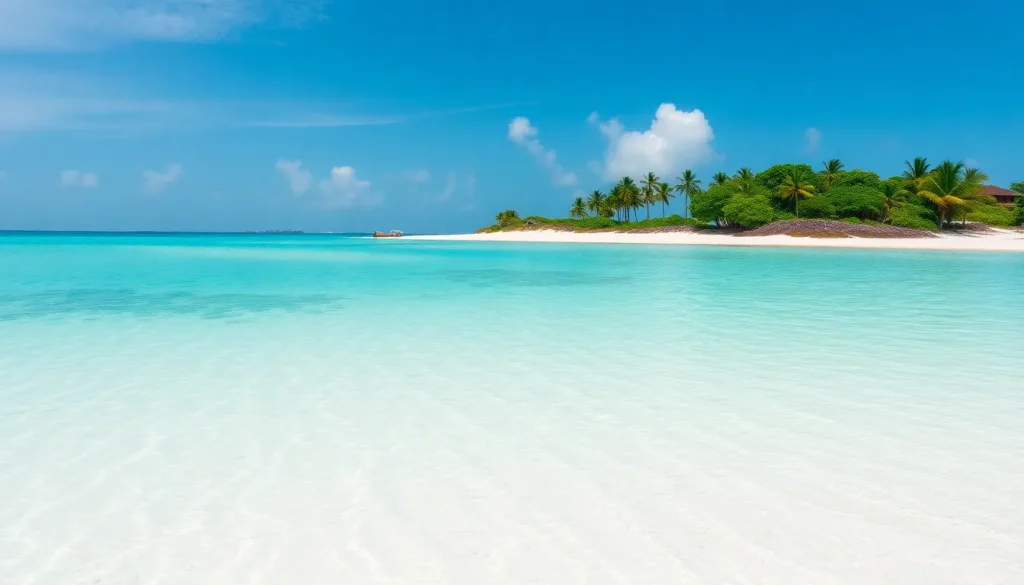
The Beevitius Islands’ alleged geographic location varies significantly depending on which sources you consult, highlighting the fictitious nature of this place. Different online communities have developed competing theories about where these non-existent islands supposedly lie, creating a fascinating case study in how geographical misinformation evolves.
Disputed Coordinates in Pacific Ocean Theories
Pacific Ocean theories place the Beevitius Islands in various locations across this vast body of water. Some internet discussions pinpoint coordinates near Micronesia (8°N 150°E), while others position them between Hawaii and Japan. Social media posts occasionally reference the islands as part of a “hidden archipelago” south of the Marshall Islands. Forums dedicated to unexplored destinations sometimes mention the islands being located in “international waters” deliberately unmarked on maps. These Pacific placement theories gained traction around 2019 when several travel influencers cryptically hinted at “exclusive trips” to Beevitius, showing generic tropical beach photos without specific identifiers or geotags.
Alternative Mediterranean Location Theories
Mediterranean theories about the Beevitius Islands emerged more recently, contradicting earlier Pacific Ocean claims. Several travel blogs position the islands near Malta, describing them as “undiscovered gems” with ancient Roman ruins. Online message boards occasionally reference “historical documents” placing Beevitius between Sicily and Tunisia, though these sources never materialize when investigated. A popular YouTube video from 2020 claimed the islands sit in disputed waters between Greece and Turkey, explaining their absence from official maps. Facebook groups dedicated to Mediterranean travel sometimes share supposed “vintage maps” showing Beevitius, though these images display telltale signs of digital manipulation. These Mediterranean theories typically emphasize historical connections to create an aura of authenticity despite lacking any factual foundation.
Historical References to Beevitius Islands
The alleged Beevitius Islands lack substantial historical documentation, creating further doubt about their existence. Examining historical references reveals a consistent absence of these islands in credible ancient and modern sources, confirming their fictional status.
Ancient Texts and Maps
No legitimate ancient texts or cartographic works mention the Beevitius Islands. Medieval navigational charts like the Catalan Atlas (1375) and Fra Mauro’s detailed world map (1450) contain no indication of these islands. Portuguese and Spanish exploration records from the Age of Discovery, which meticulously documented new lands, remain silent about Beevitius. Classical geographers including Ptolemy, whose “Geographia” cataloged thousands of locations across the known world, never recorded such a place. The absence extends to Arabian navigation texts like Ibn Majid’s works, which comprehensively covered Indian Ocean territories. This consistent omission across diverse historical mapping traditions provides compelling evidence that Beevitius Islands never existed as a geographical entity.
Modern Era Documentation
Official hydrographic surveys conducted throughout the 19th and 20th centuries failed to document any landmass matching the description of Beevitius Islands. The International Hydrographic Organization’s comprehensive records contain no mention of such a location. National geographic institutions including the USGS, British Ordnance Survey, and similar bodies in 32 countries have no cartographic evidence of these islands. Naval expedition logs from major maritime powers show no encounters with this purported location. Furthermore, satellite mapping technology developed since the 1970s has provided near-complete coverage of Earth’s surface without detecting the supposed islands. Digital mapping platforms like Google Earth, which incorporate historical data alongside contemporary imagery, similarly show no trace of Beevitius anywhere on the planet.
Why Beevitius Islands Cannot Be Found on Maps
The Beevitius Islands remain conspicuously absent from all official cartography for one simple reason: they don’t exist. This fictional location has generated significant online curiosity despite having no geographical reality, demonstrating how digital misinformation can create perceived legitimacy for entirely fabricated places.
The Fiction vs. Reality Debate
Cartographers and geographic information systems (GIS) specialists confirm that no landmass called “Beevitius Islands” exists in any ocean or sea. Professional geographers at institutions like the National Geographic Society and the International Hydrographic Organization have never documented these islands in their comprehensive databases. The fiction began circulating primarily through social media around 2018, creating a false consensus that convinced many internet users of their existence. Google Earth, satellite imagery, and maritime navigation charts show absolutely nothing at any of the purported coordinates shared online. Oceanographic surveys have thoroughly mapped the seafloor in areas where Beevitius is claimed to exist, revealing only deep ocean rather than any uncharted islands or submerged landmasses.
Internet Misinformation About Beevitius Islands
Digital platforms have significantly amplified the Beevitius Islands myth through various mechanisms. Reddit threads, YouTube videos, and Instagram posts have fabricated elaborate histories, cultural descriptions, and even tourism advice for these non-existent islands. Search engine algorithms inadvertently perpetuate the myth by suggesting related queries when users search for information. Manipulated images showing tropical beaches labeled as “Beevitius” regularly circulate online, often using photos of real locations like the Maldives or Seychelles. Travel blogs occasionally reference these islands as “undiscovered destinations” without fact-checking their existence. Multiple Wikipedia deletion attempts for Beevitius-related pages highlight the ongoing struggle between factual information and popular misinformation. Data from Google Trends shows search interest spikes occurring after viral posts mentioning the islands, demonstrating the direct relationship between social media activity and public curiosity about this fictional location.
Similar Mythical Locations Throughout History
The Beevitius Islands join a long tradition of fictional places that have captivated human imagination throughout history. Mythical locations appear across cultures and eras, reflecting our fascination with the unknown and unexplored corners of our world.
Famous Fictional Islands in Literature
Literature brims with compelling fictional islands that have become cultural touchstones. Jonathan Swift’s “Lilliput” from Gulliver’s Travels introduced readers to a miniature society that served as political satire. Thomas More’s “Utopia” presented an idealized social order on an isolated island, coining a term now synonymous with perfect societies. Jules Verne created “Lincoln Island” in The Mysterious Island, offering readers a scientific adventure landscape. Robert Louis Stevenson’s “Treasure Island” established the archetypal pirate haven with its map and buried treasure, influencing countless adventure stories. H.G. Wells invented “The Island of Dr. Moreau” as a disturbing setting for his exploration of scientific ethics. These literary islands persist in cultural memory because they embody specific human hopes, fears, or social critiques.
The Psychology Behind Invented Geographies
Humans create imaginary places to fulfill psychological needs unmet by known reality. Empty spaces on maps historically triggered a phenomenon called “cartographic anxiety,” prompting people to fill gaps with monsters or mythical lands. Cognitive psychologists note that fictional geographies often serve as mental frameworks for understanding complex social or philosophical concepts. The “availability cascade” explains how repeated mentions of places like the Beevitius Islands create a false sense of familiarity and perceived legitimacy. Digital echo chambers amplify these geographic misconceptions, as confirmation bias leads people to accept information that aligns with what they’ve previously encountered. Research from media psychology demonstrates that invented places gain credibility through repeated exposure across multiple platforms, establishing a collective false memory. This psychological attachment to fictional places reflects our innate desire for discovery in an increasingly mapped world.
Conclusion
The Beevitius Islands represent a fascinating case study in how digital misinformation spreads and persists in our interconnected world. Despite having no historical documentation no cartographic evidence and no physical location this fictional place continues to capture public imagination.
The phenomenon highlights our digital age vulnerability to convincing fictions and demonstrates how easily myths can gain legitimacy through repetition across platforms. What started as likely internet meme or misheard name has evolved into a full-fledged geographical misconception with fabricated histories and tourism advice.
The Beevitius myth serves as a reminder to approach online information critically. In an era where nearly every inch of our planet has been mapped and documented these islands stand as a curious testament to humanity’s enduring fascination with the unknown and our persistent hope that undiscovered places might still exist somewhere beyond the horizon.